
Blog Post 1: Conquering Pregnancy Fatigue: Expert Tips for Expecting Moms
Are you feeling bone-tired even before your baby arrives? Do you find yourself struggling to make it through the day, longing for a nap that never seems long enough? You're not alone. Pregnancy fatigue is a very real and often overwhelming symptom that many expecting moms experience.
It's completely normal to feel exhausted during pregnancy. Your body is working overtime to grow a tiny human, and that requires a tremendous amount of energy. Hormonal shifts, increased blood volume, and the sheer physical demand of pregnancy all contribute to this overwhelming tiredness. This article will help you understand why you're so tired and, more importantly, provide you with practical, safe, and effective strategies to combat pregnancy fatigue and reclaim some of your energy. Let's get started, and remember, you are doing an amazing job!
Here’s a quick, actionable tip to start with: Make sure you’re drinking plenty of water. Dehydration can exacerbate fatigue, so aim for at least eight glasses of water a day. Keep a water bottle with you and sip on it throughout the day. It's a small change that can make a big difference!
Understanding Pregnancy Fatigue
Pregnancy fatigue isn't just feeling a little tired; it's a profound sense of exhaustion that can impact your daily life. It often hits hardest in the first and third trimesters. In the first trimester, your body is undergoing major hormonal changes as it adjusts to the pregnancy. In the third trimester, the weight of the baby and the physical demands of preparing for labor can leave you feeling drained.
Why Does Pregnancy Cause So Much Fatigue?
Several factors contribute to pregnancy fatigue, including: Hormonal Changes: The surge in hormones like progesterone can have a sedative effect, making you feel sleepy. Increased Blood Volume: Your body is producing more blood to support the growing baby, which puts extra strain on your circulatory system. Physical Demands: Growing a baby requires a lot of energy! Your body is working hard to nourish and support the developing fetus. Emotional Factors: Anxiety, stress, and anticipation about the upcoming arrival can also contribute to fatigue. Lower Blood Sugar Levels:Fluctuations in blood sugar can also lead to fatigue.
Practical Strategies for Combating Fatigue
While you can't eliminate pregnancy fatigue entirely, there are many things you can do to manage it and boost your energy levels: Prioritize Sleep: Aim for at least 8-9 hours of sleep each night. Create a relaxing bedtime routine to help you wind down before bed. Take Naps: Don't be afraid to take short naps during the day if you're feeling tired. Even a 20-30 minute nap can make a big difference. Eat a Healthy Diet: Focus on eating nutrient-rich foods like fruits, vegetables, lean protein, and whole grains. Avoid processed foods, sugary drinks, and excessive caffeine. Stay Hydrated: As mentioned earlier, dehydration can worsen fatigue. Drink plenty of water throughout the day. Exercise Regularly: Gentle exercise, such as walking, swimming, or prenatal yoga, can help boost your energy levels and improve your mood. Manage Stress: Find healthy ways to manage stress, such as meditation, deep breathing exercises, or spending time in nature. Delegate Tasks: Don't be afraid to ask for help from your partner, family, or friends. Delegate tasks that you don't have the energy for. Listen to Your Body: Pay attention to your body's signals and rest when you need to. Don't push yourself too hard.
Nutrition and Fatigue: Fueling Your Body
What you eat can have a significant impact on your energy levels during pregnancy. Focus on consuming a balanced diet that provides sustained energy throughout the day.
Eat Frequent, Small Meals: This helps to stabilize your blood sugar levels and prevent energy crashes. Choose Complex Carbohydrates: Opt for whole grains, fruits, and vegetables over refined carbohydrates like white bread and pasta. Include Protein at Every Meal: Protein helps to keep you feeling full and provides sustained energy. Don't Skip Breakfast: Breakfast is essential for jumpstarting your metabolism and providing energy for the day. Consider Iron-Rich Foods:Iron deficiency can contribute to fatigue. Talk to your doctor about whether you need an iron supplement. Foods like spinach, red meat, and beans are great sources of iron.
People Also Ask:
How long does fatigue usually last in pregnancy?
Fatigue is most common in the first and third trimesters. While it can fluctuate, most women experience a significant improvement in energy levels during the second trimester. However, every pregnancy is different, and some women may experience fatigue throughout their entire pregnancy.
Is it safe to drink coffee to combat pregnancy fatigue?
While you don't need to completely eliminate caffeine, it's generally recommended to limit your intake to 200mg per day (about one 12-ounce cup of coffee). Excessive caffeine can be harmful to your baby. Consider decaf options or other energizing alternatives like herbal tea or a brisk walk.
What if fatigue is accompanied by other symptoms?
If your fatigue is severe or accompanied by other symptoms like dizziness, shortness of breath, chest pain, or vaginal bleeding, contact your doctor immediately. These could be signs of a more serious underlying condition.
Third Trimester Fatigue Relief: Specific Strategies
As you enter your third trimester, fatigue can return with a vengeance. Here are some specific strategies to help you cope: Prioritize Rest: This is a time to slow down and focus on preparing for labor and delivery. Don't feel guilty about resting and taking it easy. Elevate Your Feet: Swollen ankles and feet can contribute to fatigue. Elevate your feet whenever possible to improve circulation. Practice Good Posture: Good posture can help to reduce back pain and improve your energy levels. Consider a Prenatal Massage: A gentle massage can help to relieve muscle tension and improve your overall well-being.
Remember, these last few months are about nurturing yourself and your baby. Don’t be afraid to ask for help, and focus on what truly matters. You are almost there!
Pregnancy fatigue can be incredibly challenging, but you are stronger than you think. By implementing these strategies and listening to your body, you can manage your fatigue and enjoy your pregnancy to the fullest extent possible. Remember to be kind to yourself and celebrate the amazing journey you are on. You've got this!
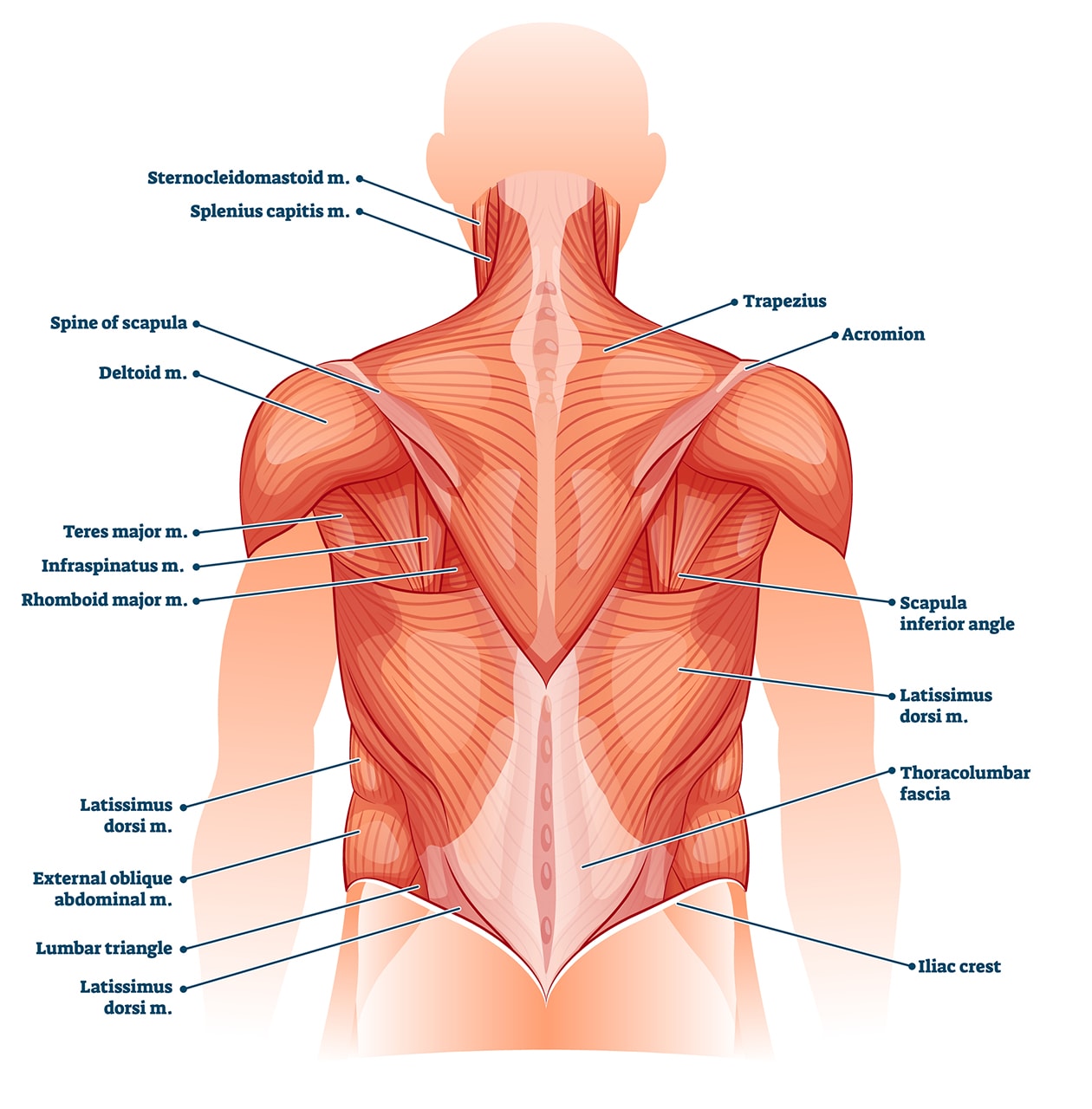
Blog Post 2: Soothing Soreness: Back Pain Relief During Pregnancy
Is your back aching and protesting with every move? Are you finding it difficult to stand, sit, or even lie down comfortably? Back pain is a common complaint among expecting moms, and it can significantly impact your quality of life.
It's estimated that more than half of pregnant women experience back pain. As your body changes to accommodate your growing baby, your posture shifts, your center of gravity changes, and your hormones relax the ligaments in your pelvis. This puts extra strain on your back muscles and joints, leading to discomfort and pain. This article is dedicated to providing you with safe and effective strategies to find relief and manage back pain throughout your pregnancy. Let's help you get comfortable again!
Here's a small, actionable tip to help ease back pain right away: Focus on maintaining good posture. Stand tall with your shoulders back and your chin parallel to the floor. Avoid slouching, which can worsen back pain.
Understanding Back Pain in Pregnancy
Back pain during pregnancy is often centered in the lower back, but it can also radiate into the hips and legs. It can range from a mild ache to a sharp, debilitating pain. Understanding the causes can help you better manage it.
Why Does Pregnancy Cause Back Pain?
Several factors contribute to back pain during pregnancy: Weight Gain: The extra weight you're carrying puts extra stress on your back muscles and joints. Shifting Center of Gravity: As your belly grows, your center of gravity shifts forward, which can strain your back. Hormonal Changes: The hormone relaxin, which is released during pregnancy to loosen your ligaments in preparation for labor, can also loosen the ligaments in your back, making it less stable. Posture Changes: Many women unconsciously change their posture to compensate for the growing belly, which can lead to back pain. Stress:Stress can also contribute to muscle tension and back pain.
Safe and Effective Strategies for Back Pain Relief
Fortunately, there are many things you can do to alleviate back pain during pregnancy: Maintain Good Posture: As mentioned earlier, good posture is essential. Stand tall, sit with good support, and avoid slouching. Use Proper Lifting Techniques: When lifting objects, bend your knees and keep your back straight. Avoid twisting your body. Wear Supportive Shoes: Choose shoes with good arch support and avoid high heels. Sleep on Your Side: Sleeping on your side, with a pillow between your knees, can help to reduce pressure on your back. Use a Pregnancy Pillow: A pregnancy pillow can provide extra support for your back, belly, and knees. Exercise Regularly: Gentle exercise, such as walking, swimming, or prenatal yoga, can help to strengthen your back muscles and improve your posture. Apply Heat or Cold: Apply a warm compress or ice pack to your back for 15-20 minutes at a time to relieve pain and inflammation. Get a Massage: A prenatal massage can help to relieve muscle tension and improve circulation. Consider Acupuncture: Acupuncture is a safe and effective treatment for back pain during pregnancy. Talk to Your Doctor: If your back pain is severe or persistent, talk to your doctor. They may recommend physical therapy or other treatments.
Safe Stretches for Back Pain Relief During Pregnancy
Gentle stretching can help to relieve muscle tension and improve flexibility, which can alleviate back pain. Here are a few safe and effective stretches for pregnancy: Cat-Cow Stretch: This gentle stretch helps to improve spinal mobility and relieve back pain. Get on your hands and knees, and then alternate between arching your back (like a cat) and dropping your belly towards the floor (like a cow). Pelvic Tilts: This exercise helps to strengthen your abdominal muscles and improve your posture. Lie on your back with your knees bent and your feet flat on the floor. Gently tilt your pelvis forward and backward. Standing Hamstring Stretch: Stand with one foot slightly forward and your knee slightly bent. Gently lean forward, keeping your back straight, until you feel a stretch in the back of your thigh. Child’s Pose (Modified): Widen your knees slightly and sit back on your heels as much as comfortable. Lean forward, resting your torso between your thighs, and extend your arms in front of you. This provides gentle spinal decompression.
People Also Ask:
Is back pain in pregnancy normal?
Yes, back pain is very common during pregnancy. It's estimated that over 50% of pregnant women experience back pain at some point. While it's normal, it doesn't mean you have to suffer in silence.
When should I see a doctor about back pain during pregnancy?
If your back pain is severe, persistent, or accompanied by other symptoms like fever, numbness, tingling, or loss of bladder or bowel control, you should see a doctor immediately.
Are there any over-the-counter medications I can take for back pain?
Before taking any over-the-counter medications, talk to your doctor. Some pain relievers are not safe to take during pregnancy. Your doctor can recommend safe and effective options.
Creating a Comfortable Environment
Your environment can also play a role in managing back pain. Here are some tips for creating a comfortable environment: Choose a Supportive Mattress: Make sure your mattress provides adequate support for your back. Use Proper Ergonomics at Work: If you work at a desk, make sure your chair is properly adjusted and that you have good lumbar support. Avoid Prolonged Sitting or Standing:Take frequent breaks to move around and stretch.
Remember that you are growing a tiny human, and it's okay to prioritize your comfort. Don't be afraid to ask for help with tasks that exacerbate your back pain.
Back pain during pregnancy can be challenging, but with the right strategies, you can find relief and enjoy your pregnancy more fully. Remember to listen to your body, prioritize self-care, and don't hesitate to seek help from your doctor or other healthcare professionals. You are doing an incredible job, and you deserve to be comfortable. You are strong, and you will get through this!